
Questions to Ask During a School Open House for Neurodiverse Students
Choosing the right school for your child can feel like a big decision, especially when your child learns in ways that do not always fit a typical classroom. If you are visiting a school open house, it helps to come prepared with questions that go beyond academics. You want to understand how the school truly supports your child day to day.
For parents of neurodivergent learners and students who learn differently, the right environment can make a meaningful difference. A visit gives you a chance to observe how a school creates a supportive academic environment and whether it aligns with your child’s needs. The questions below can help guide your conversations and give you a clearer picture of what to expect.
What is the Class Size and Teacher Student Ratio?
Class size can shape how your child experiences school each day. In smaller settings, students often have more opportunities to ask questions, receive feedback, and stay engaged during lessons. It also allows educators to notice when a student needs extra guidance or encouragement.
Understanding the teacher to student ratio helps you see how much individual attention your child may receive. Schools that use small class sizes and small-group instruction are often better able to support learning at a steady pace. This can be especially helpful for neurodiverse learners who benefit from consistent interaction and a relationship-based learning approach.
Will the Learning Be Adapted to My Child’s Progress?
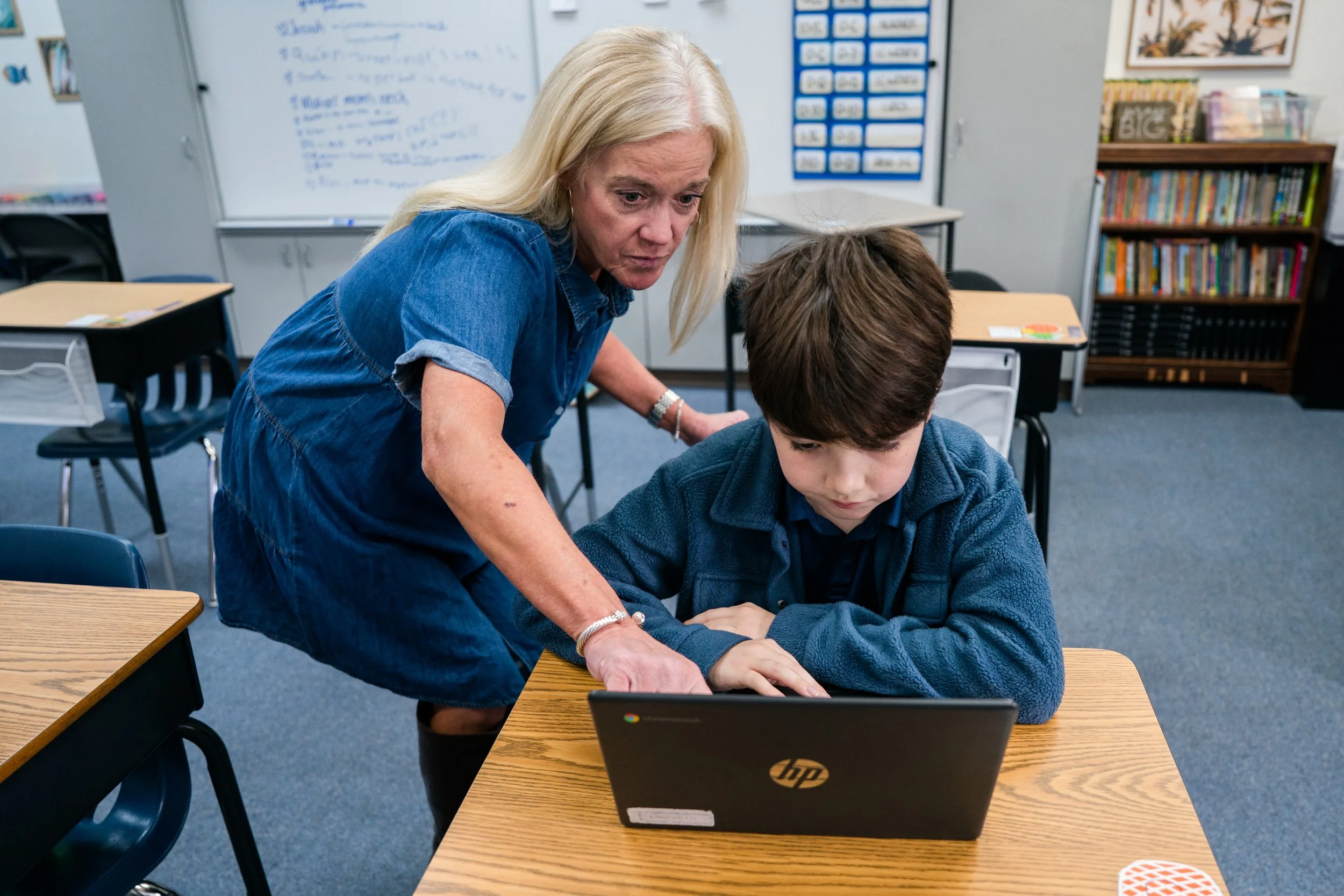
Every child learns at a different pace, so it is important to know how instruction is adjusted over time. Ask how lessons are delivered and whether teachers use student-centered learning methods that respond to each student’s growth.
Look for schools that use chunked instruction and scaffolded instruction, where learning is broken into manageable steps. This helps students build understanding gradually rather than feeling overwhelmed. When instruction delivered in manageable steps is part of the approach, students are more likely to stay engaged and build confidence as they progress.
What Programs Do You Have that Caters to Neurodiverse Students?
Programs can give insight into how a school supports both academic and developmental needs. Ask about reading and math instruction, as well as any additional support for organization, attention, or motor development.
You may want to look for structured literacy programs that include evidence-based reading instruction and multisensory reading instruction. These approaches support language and literacy development and help build reading growth and confidence. In math, small-group math instruction and multisensory math instruction can support foundational math skill development. It is also helpful to ask about support for sensory and motor development within the school day.
How Do I Know If My Child Is Improving?
Progress can look different for every child, so it is important to understand how a school tracks growth. Ask how often assessments are given and how teachers monitor development over time.
Schools that use ongoing observation and regular evaluation can adjust teaching as needed. This may include teacher modeling or modeled instruction to guide students through new concepts. When progress is reviewed consistently, families can better understand how their child is developing both academically and in daily learning habits.

What Happens If My Child Cannot Keep Up?
It’s natural for students to need extra support at times. Asking this question helps you understand how a school responds when a child is struggling with certain concepts or expectations.
Look for schools that offer targeted academic instruction and small-group instruction to provide extra help without removing students from their learning environment. A structured learning environment combined with a multisensory academic environment can make it easier for students to stay engaged.
Classrooms that include flexible seating options and sensory-aware classroom practices also support focus, helping students stay connected to learning even when challenges arise.
Find Schools in Laguna Hills CA for Neurodiverse Students
Finding the right school takes time, and visiting in person can help you better understand how a program works. If you are exploring options in Laguna Hills, CA – Pathway School offers a supportive learning environment for neurodivergent students where instruction is thoughtfully designed for individual needs.
At Pathway School, learning takes place in a setting that values structure, flexibility, and connection. Classrooms are designed with student access in mind, using adaptive classroom seating and instruction supported by movement, visuals, and hands-on learning. This creates a space where students can stay engaged and feel comfortable throughout the day.
As a faith-based school tailored to neurodivergent learners, Pathway School focuses on building both academic skills and character. Students benefit from a structured learning environment that supports focus while encouraging growth in confidence and independence.
If you are considering your options, scheduling a visit can help you see how the environment feels and how students interact. Taking that next step can give you the clarity you need to choose a school where your child can continue to grow and thrive.