
Scaffolded Instruction and How It Benefits Neurodivergent Learners
When your child learns differently, school can feel confusing for both of you. You may see your child understand an idea one day, then struggle to use it the next. You may also notice that large assignments, long directions, or fast lessons make learning harder than it needs to be.
Scaffolded instruction can help make learning feel more manageable. It gives students support at the start, then slowly removes that support as they gain skill and confidence. For neurodivergent learners, this approach can make reading, writing, math, and other subjects feel less overwhelming and more possible. In this article, we will discuss what scaffolded instruction is and how it helps neurodiverse learners.

What Is Scaffolded Instruction?
Scaffolded instruction is a teaching approach that breaks learning into smaller steps. Instead of expecting a student to master a new skill all at once, the teacher builds a clear path. Each step supports the next one.
Think of scaffolding on a building. Workers use it while they build, repair, or strengthen a structure. When the building can stand on its own, the scaffolding comes down. Learning works in a similar way.
For students, this support may include teacher modeling, visuals, sentence starters, guided practice, checklists, examples, hands-on tools, or small-group instruction. The goal is not to make the work easier forever. The goal is to help your child learn how to do the work with growing independence.
How Does Scaffolded Instruction Work?
Scaffolded instruction starts with clear teaching. The teacher explains the skill, models the process, and shows what success looks like. Then the student practices with help. Over time, the teacher gives less help as the student becomes more confident.
In math, this may look like using blocks, number lines, or drawings before moving to written equations. A student learning multiplication may first build groups with counters. Then they may draw equal groups. Later, they can write the number sentence. This helps the concept make sense before it becomes abstract.
In essay writing, scaffolding may begin with a graphic organizer. Your child may use boxes for the introduction, main ideas, details, and conclusion. The teacher may provide sentence starters such as “One reason is” or “This shows that.” Once your child understands the structure, they can write with fewer prompts.
This matters because many neurodivergent learners do not struggle with intelligence. They often struggle with access. A lesson may move too quickly. Directions may have too many steps. A task may require planning, memory, writing, reading, and attention all at once. Scaffolded instruction separates those demands so your child can focus on one step at a time.
What Are the Benefits of Scaffolded Instruction to Neurodiverse Learners?
Scaffolded instruction gives neurodiverse learners a clearer way into the lesson. It supports both skill growth and emotional confidence.
It Reduces Overwhelm
Many neurodivergent learners feel stuck when a task looks too big. A full worksheet, a long writing prompt, or a multi-step project can make your child shut down before they begin. Scaffolded instruction lowers that stress by showing the first step clearly.
Instead of saying, “Write a full paragraph,” a teacher may begin with one sentence. Then your child may add a detail. After that, they may connect the idea to the topic. This gives the brain a better starting point.
When your child knows what to do first, the work feels less scary. They can put energy into learning instead of guessing, worrying, or avoiding the task.
It Builds Confidence Through Small Wins
Confidence grows when your child experiences success often enough to believe it can happen again. Scaffolded instruction creates those small wins. Each step gives your child a chance to practice, receive guidance, and see progress.
This is important for students who have felt behind in the past. If your child has struggled with reading, writing, math, focus, or organization, they may already expect school to feel hard. That expectation can affect effort and motivation.
Scaffolding changes the pattern. Your child can complete one part, then another. Over time, they begin to see themselves as capable. That belief matters. It can help your child take more academic risks, ask better questions, and stay with harder work longer.
It Supports Different Learning Styles
Neurodiverse learners often need more than spoken directions. Some students learn best through visuals. Others need movement, hands-on practice, repetition, or verbal explanation. Scaffolded instruction allows teachers to present information in different ways.
This does not mean every child receives the same level of support. It means the teacher can adjust the support based on what your child needs. That flexibility helps students with different learning profiles participate more fully in class.
It Encourages Greater Independence
Some parents worry that support may make a child too dependent. Good scaffolding does the opposite. It gives support with a plan to reduce it over time.
At first, your child may need a checklist, model, or teacher reminder. Later, they may use the checklist on their own. After more practice, they may not need it at all. The support becomes a bridge, not a permanent crutch.
This is especially helpful for executive functioning skills. Your child may learn how to break down homework, organize materials, start tasks, manage time, or check work before turning it in. These skills do not always develop through reminders alone. Many students need direct teaching, practice, and repeated support before they can use these habits independently.
Scaffolded Instruction for Neurodiverse Learners in Laguna Hills CA
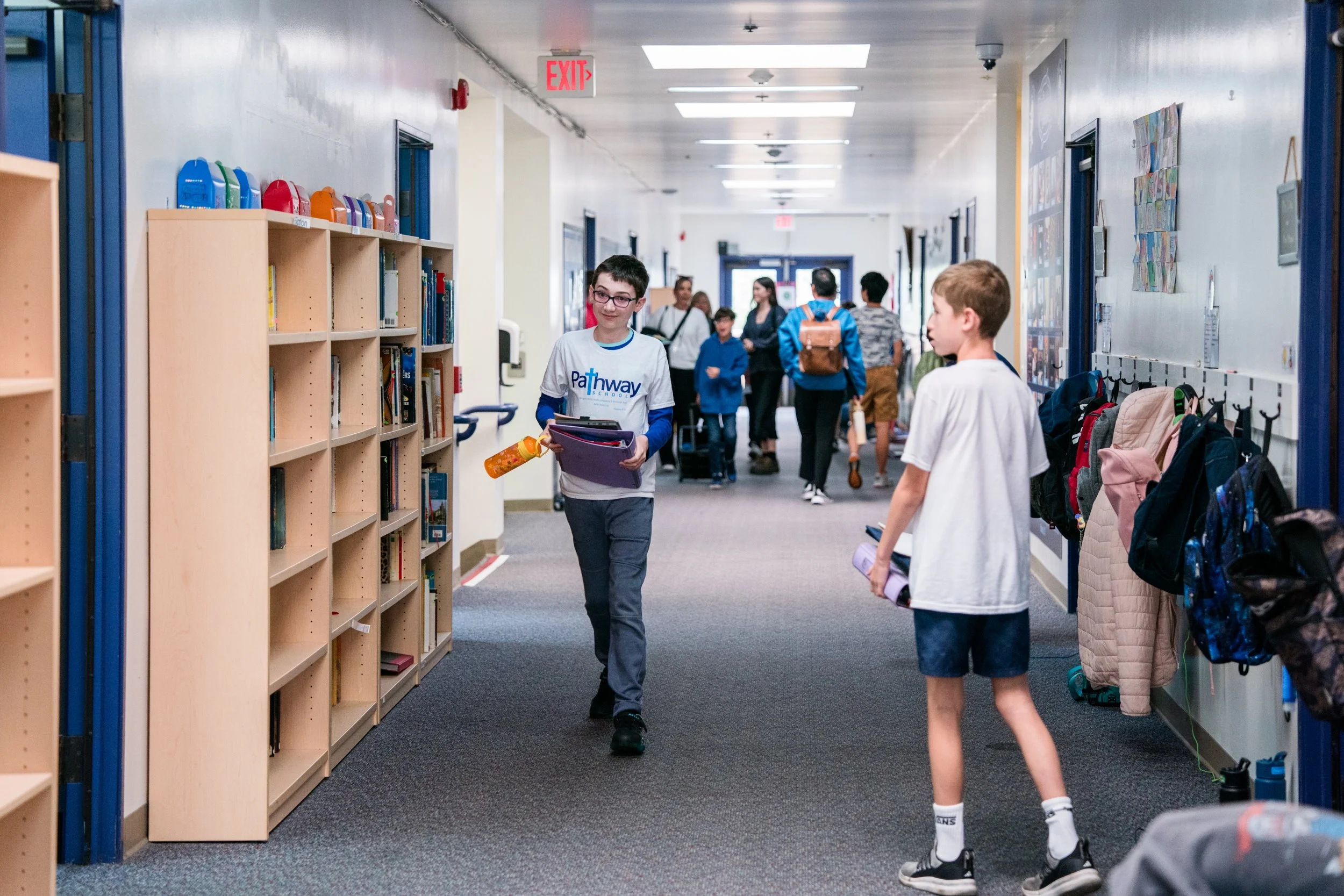
If you are looking for a school environment that understands neurodiverse learners, Pathway School in Laguna Hills, CA offers a supportive place to grow. Pathway School uses tailored learning in a structured, faith-based environment for students with ADHD, dyslexia, executive functioning challenges, and students on the autism spectrum who benefit from structure and mild support.
At Pathway School, instruction is delivered in manageable steps through student-centered learning, small class sizes, multisensory instruction, and targeted academic support. Students receive help in areas like reading, writing, math, executive functioning, and confidence-building.
If your child needs a learning setting that feels clear, supportive, and personal, contact Pathway School to learn more about enrollment and schedule a visit.