
Why Are Smaller Class Sizes Better? School for Neurodivergent Learners
Choosing the right school for neurodivergent learners can feel personal. You want your child to feel safe, understood, and ready to learn. For many neurodivergent learners, class size plays a major role in that experience. A smaller classroom can make lessons feel less overwhelming. It can also give teachers more time to notice how your child thinks, responds, and participates.
When your child learns differently, the classroom environment matters as much as the curriculum. A large class can move too fast. It may leave little space for questions, movement, repetition, or support. Smaller class sizes help create a structured learning environment where your child can build skills in manageable steps. With fewer distractions and more connection, learning can feel more accessible.
Smaller Class Sizes Help Teachers Understand How Your Child Learns
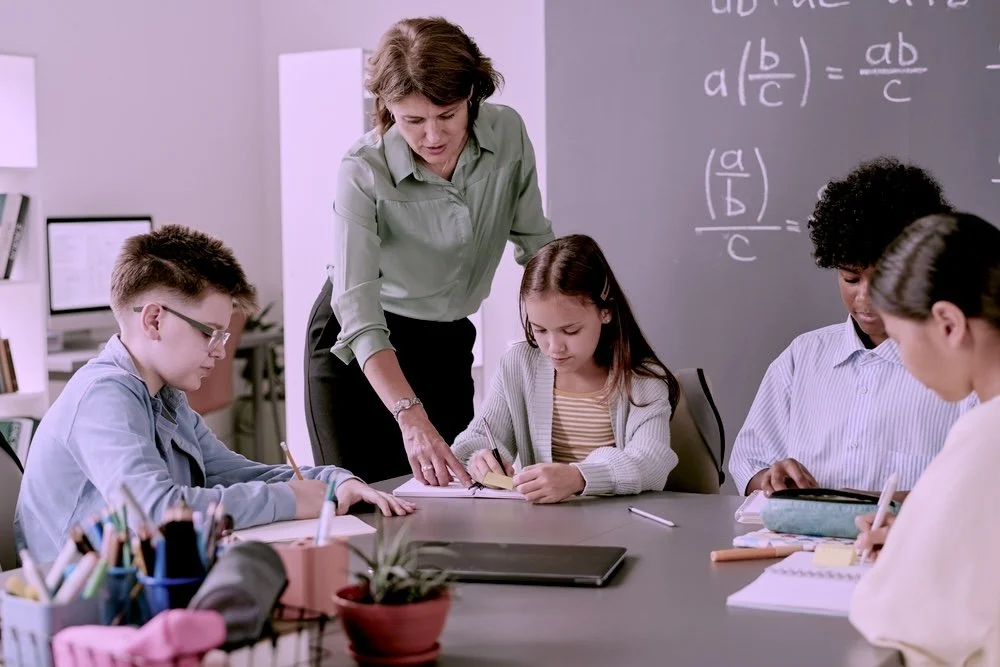
A smaller class gives teachers more time to observe each student. They can notice when your child needs more modeling, a clearer direction, or a different way to approach the lesson. This matters because neurodivergent learners often process information in unique ways. Some students need visuals. Others need movement, repetition, hands-on practice, or extra time to organize their thoughts.
In a larger classroom, these needs can be easy to miss. Teachers may have to move quickly through lessons to keep the full class on pace. In a smaller classroom, instruction can feel more personal. Your child has more chances to ask questions, receive feedback, and try again without feeling rushed. That steady attention helps teachers shape lessons around how your child learns best.
A Quieter Class Can Reduce Overwhelm and Improve Focus
Many parents notice that their child’s learning changes when the room feels calmer. Noise, crowded spaces, fast transitions, and constant movement can make it harder to focus. A smaller classroom does not remove every distraction, but it can make the school day feel more predictable and easier to manage.
For neurodivergent learners, focus often improves when the environment supports regulation. Regulation means your child feels ready enough to listen, think, and participate. Smaller class sizes can make it easier to use sensory-aware classroom practices, flexible seating options, visuals, and movement breaks. These supports help students stay connected to the lesson instead of using all their energy to manage the room around them.
A calmer space can also support emotional readiness. When your child feels less overwhelmed, they may feel more willing to try hard things. That confidence can change how they approach reading, writing, math, and classroom participation.
Small-Group Instruction Makes Academic Support More Targeted
Smaller class sizes allow teachers to deliver instruction in more manageable steps. Your child may need a lesson broken into smaller parts before they can apply it with confidence. This is often called chunked instruction. It helps students understand one step before moving to the next.
Small-group instruction also helps teachers adjust support in real time. If your child struggles with a reading skill, the teacher can slow down, model the skill, and give guided practice. If your child is ready for more challenge, the teacher can extend the lesson. This keeps students from feeling stuck or overlooked.
Targeted academic instruction is especially helpful for foundational skills. Reading, writing, and math all build from earlier concepts. When gaps appear, students may lose confidence. A smaller classroom gives teachers more room to strengthen those skills before frustration grows. Over time, this support can help your child experience learning as something they can work through, not something they have to avoid.
Close Teacher Relationships Build Confidence and Self-Advocacy
Children often learn better when they trust the adults guiding them. In smaller classes, teachers can build stronger relationships with students. They can learn what motivates your child, what causes stress, and what kind of encouragement helps them keep going.
That relationship also helps your child learn self-advocacy. Self-advocacy means your child can understand their needs and ask for support in appropriate ways. This may include asking for directions to be repeated, requesting more time, using a learning strategy, or explaining what helps them focus.
These skills do not appear overnight. Students build them through practice and encouragement. A smaller classroom gives teachers more chances to coach your child through these moments. Instead of feeling embarrassed by support, your child can begin to see learning strategies as useful tools. That shift can strengthen confidence, communication, and independence.
Smaller Classes Support Social Growth Without Too Much Pressure
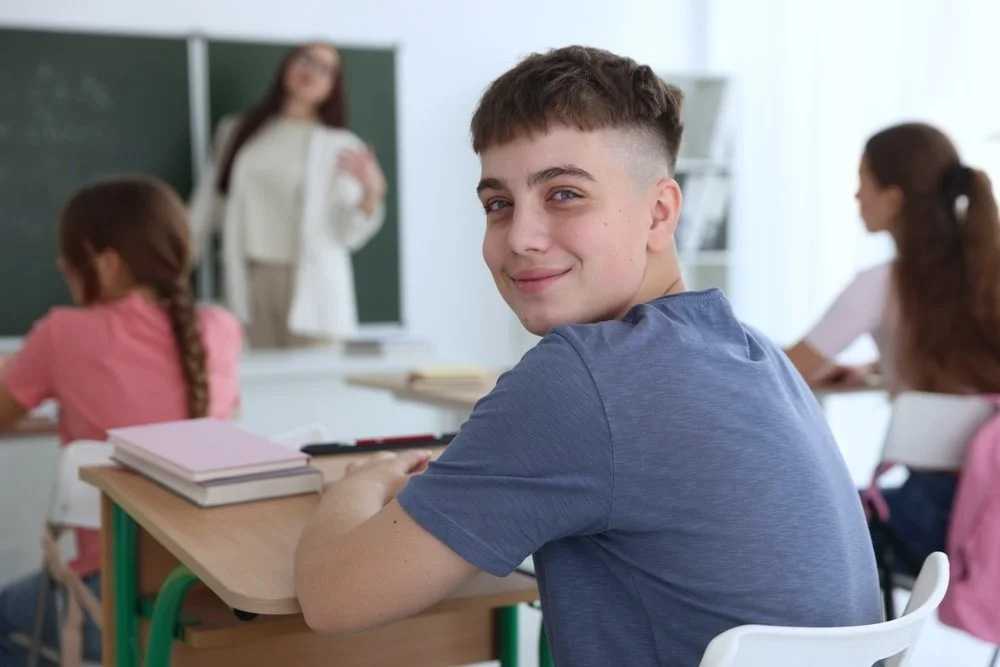
School is not only academic. Your child also learns how to communicate, share space, read social cues, and work with others. For some neurodivergent learners, peer interaction can feel tiring or confusing. A large class can make those moments harder because there are more personalities, more noise, and more social expectations to track.
A smaller class gives students more room to practice social skills in a structured way. Teachers can notice peer dynamics and guide students through conversations, group work, and conflict resolution. They can also help students understand expectations before situations become stressful.
This kind of support helps social growth feel less forced. Your child can build connections through shared routines, small groups, projects, and classroom roles. With steady guidance, students can learn how to participate, communicate, and contribute in ways that feel safe and meaningful.
Choosing a Smaller School Setting for Your Child’s Growth
Smaller class sizes are not a simple preference. For many neurodivergent learners, they can shape the whole school experience. A smaller classroom can help your child feel known by their teachers, supported in their learning, and less overwhelmed by the school day. It can also give your child more chances to practice focus, communication, independence, and problem-solving in a setting that feels structured and caring.
At Pathway School, we offer a private faith-based school environment with small class sizes, tailored learning, multisensory instruction, and structured support for students who learn differently. Our 12:1 small class environment helps teachers understand each student’s needs and guide academic, social, emotional, and spiritual growth with care.
If your child needs a supportive academic environment where learning is broken into accessible steps, Pathway School may be a strong next step for your family.